For seven years, I was the silent martyr of the Miller family dinners. Every Sunday, I sat at the head of a table I didn’t choose, listening to laughter that sounded increasingly like a toll charge. My husband, David, was the middle child of five, and to his family, we weren’t a couple—we were the “Corporate ATM.”
I held my tongue for so long that the silence began to feel like a permanent part of my personality. I kept quiet because David begged for “family harmony,” even as his sister, Sarah, would order bottles of vintage wine, catch my eye, and wink with a sharp, mocking grin. “Don’t worry, Nat’s got it! She’s a big-city professional, right?” she’d say, the table erupting in laughter. David would just look down at his plate, muttering about how she didn’t mean any harm.
But the harm was real, and it was draining our life.
The breaking point arrived like a slow-motion car crash. I had been quietly funneling our savings into a “Freedom Fund”—a secret stash intended for a down payment on a house where we could finally have our own space, away from the constant gravitational pull of his family. I was within weeks of our goal.
One evening, I logged into our joint banking app to transfer my paycheck, and my heart stopped. The balance was decimated. A series of large transactions at an upscale restaurant, a boutique bakery, and a luxury department store—all family-related—had bled the account dry.
I waited for David in the kitchen. When he walked in, smelling of his mother’s perfume and satisfaction, I didn’t scream. I simply turned the laptop screen toward him.
“What is this, David?”
He blinked, glancing at the screen, then at the clock. “Oh, that. Look, it was Mom’s birthday, then Sarah needed help with the kids’ tuition, and—”
“You spent our house deposit on them? Without asking?”
He sighed, that classic, dismissive exhale that signaled he was about to weaponize my patience. “It’s family, Natalie. You’re being incredibly cold. It’s just money; we’ll make more. Don’t ruin the momentum of the season with this pettiness.”
“Pettiness,” I repeated, the word tasting like ash.
That night, I didn’t sleep. I realized that my silence hadn’t been kindness; it had been an enabler. I was tired of being the bridge everyone walked over. I decided that if they wanted to treat me like a bank, I would start acting like a head-office manager.
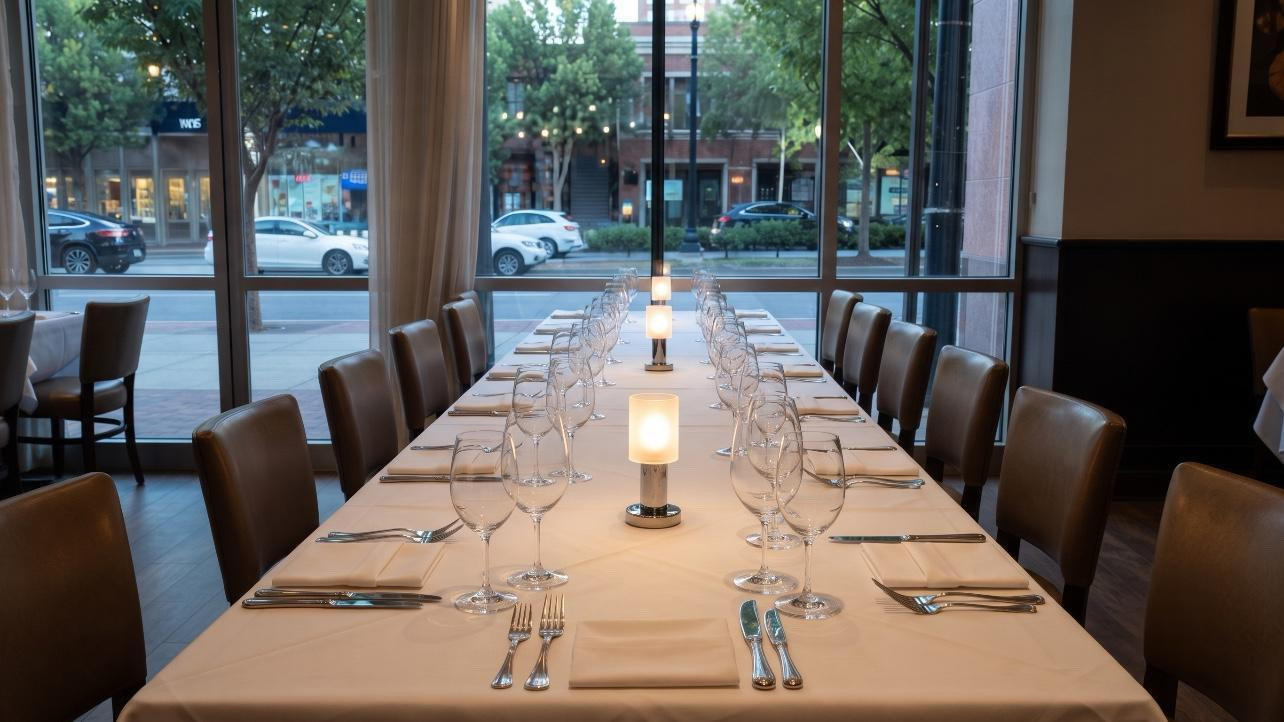
The next family gathering was at a high-end steakhouse. I arrived perfectly composed, wearing a dress that cost more than their last three combined dinners. I didn’t say a word about the money. I played the part. I smiled, I toasted, and I let Sarah order the most expensive cuts of beef and multiple rounds of top-shelf cocktails for her friends.
“Tonight is going to be special!” Sarah declared, her voice loud enough for the neighboring tables to hear. “Nat, you really don’t have to, but since you insist on being the generous one…”
I leaned in, my voice sweet, my eyes like flint. “Oh, Sarah, don’t worry. I’ve made sure tonight is exactly what it needs to be.”
David looked at me, a flicker of unease in his eyes. He knew I was quiet, but he had never seen me cold.
As the meal progressed, the tension grew thick enough to choke on. Every time someone ordered an extra side or a dessert, I would simply smile and say, “Make sure you remember exactly what you ordered. It’s important to be responsible.”
They laughed it off, thinking I was being eccentric. But as the waiter approached with the final check, I signaled him over.
“I have already spoken to the manager,” I announced, my voice clear and projecting across the table. “This table has requested separate checks for every single person. I am covering only for David and myself.”
The silence was absolute. You could have heard a pin drop in the kitchen.
Sarah’s face was drained of color. “What? No, that’s not how this works. You always pay. You’re the one who—”
“I’m the one who paid because I was foolish enough to think it mattered,” I interrupted, staring straight at her. “But I’ve checked my accounts, Sarah. You’ve enjoyed enough of my labor. Today, you pay for your own dinner.”
David started to stammer, “Natalie, wait, I can—”
“You can do what, David? Use the credit card that’s already maxed out from the birthday spree you didn’t tell me about?”
The table erupted. Sarah was shouting about entitlement; the parents were looking at each other in shame. I sat there, drinking my water, watching the “family harmony” crumble under the weight of actual accountability. It was a beautiful, devastating sight. I didn’t apologize. I didn’t lower my gaze. For the first time, I wasn’t the wallet; I was a person.