
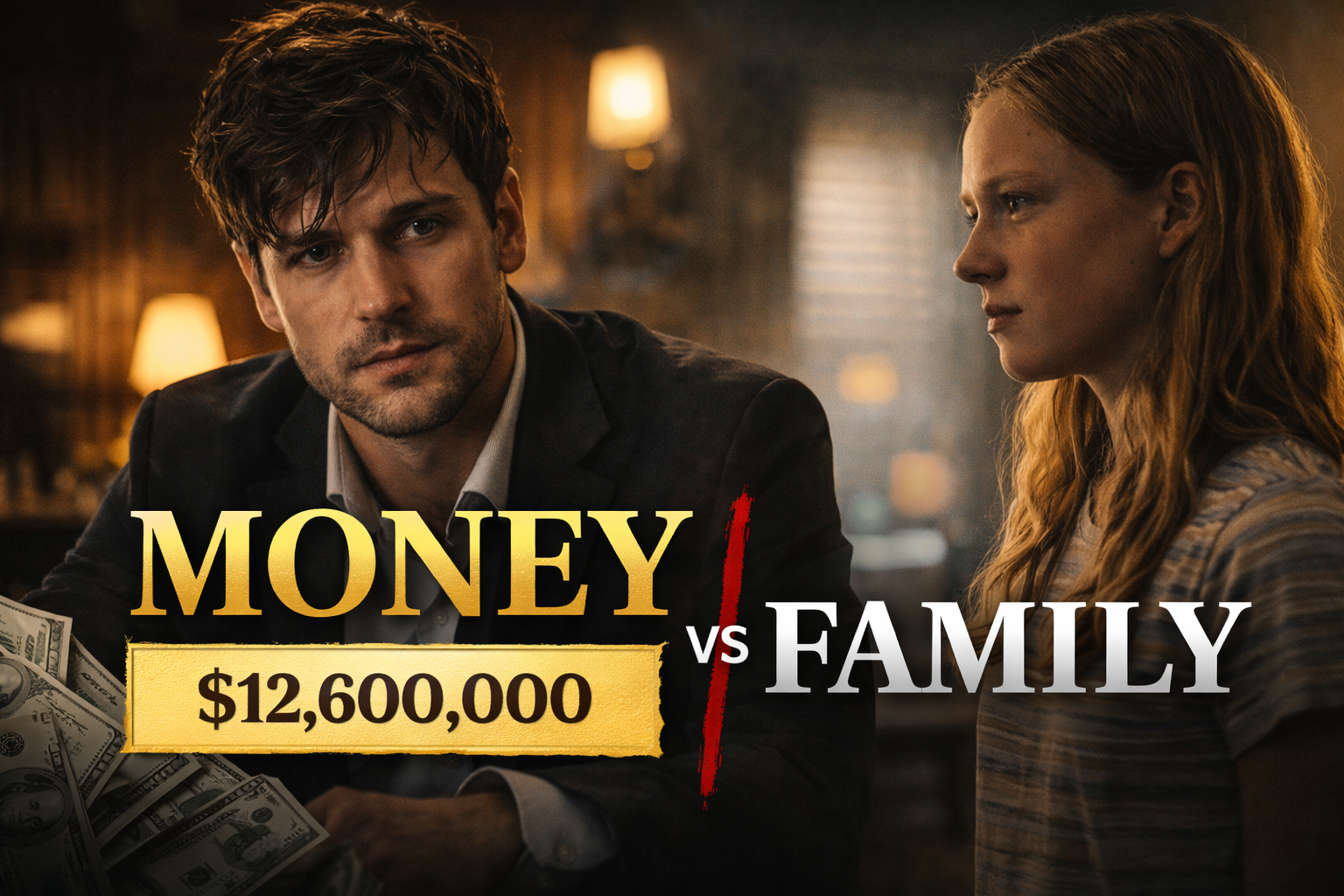
My name is Daniel Hayes, and before you decide what kind of man I am, I need you to understand something.
Forty-eight hours.
That is all it took for $12.6 million to turn me into someone my younger self would not have recognized.
Forty-eight hours between the moment I believed I had finally escaped everything that broke me—and the moment I was standing outside a locked door, knocking with shaking hands, begging the one person I had pushed away to let me in again.

My sister, Lila Hayes.
If you have ever believed that success would finally make you feel whole, you already know where this is going.
And if you have ever traded loyalty for the illusion of control, then you know how quiet the world becomes when you realize what it cost you.
Before I begin, ask yourself this—have you ever chosen pride over someone who loved you, only to realize later that pride does not sit with you when everything falls apart?
Hold onto that question.
Because this is not a story about money.
It is a story about what we think will save us—and what actually does.
I grew up in a house where silence was louder than shouting.
Our father was not a cruel man in the way stories like to define cruelty. He did not throw punches or break plates. He simply disappeared in small ways until one day there was nothing left of him in the room.
He sat at the dinner table but never asked questions.
He paid bills but never noticed birthdays.
He stayed until the day he didn’t.
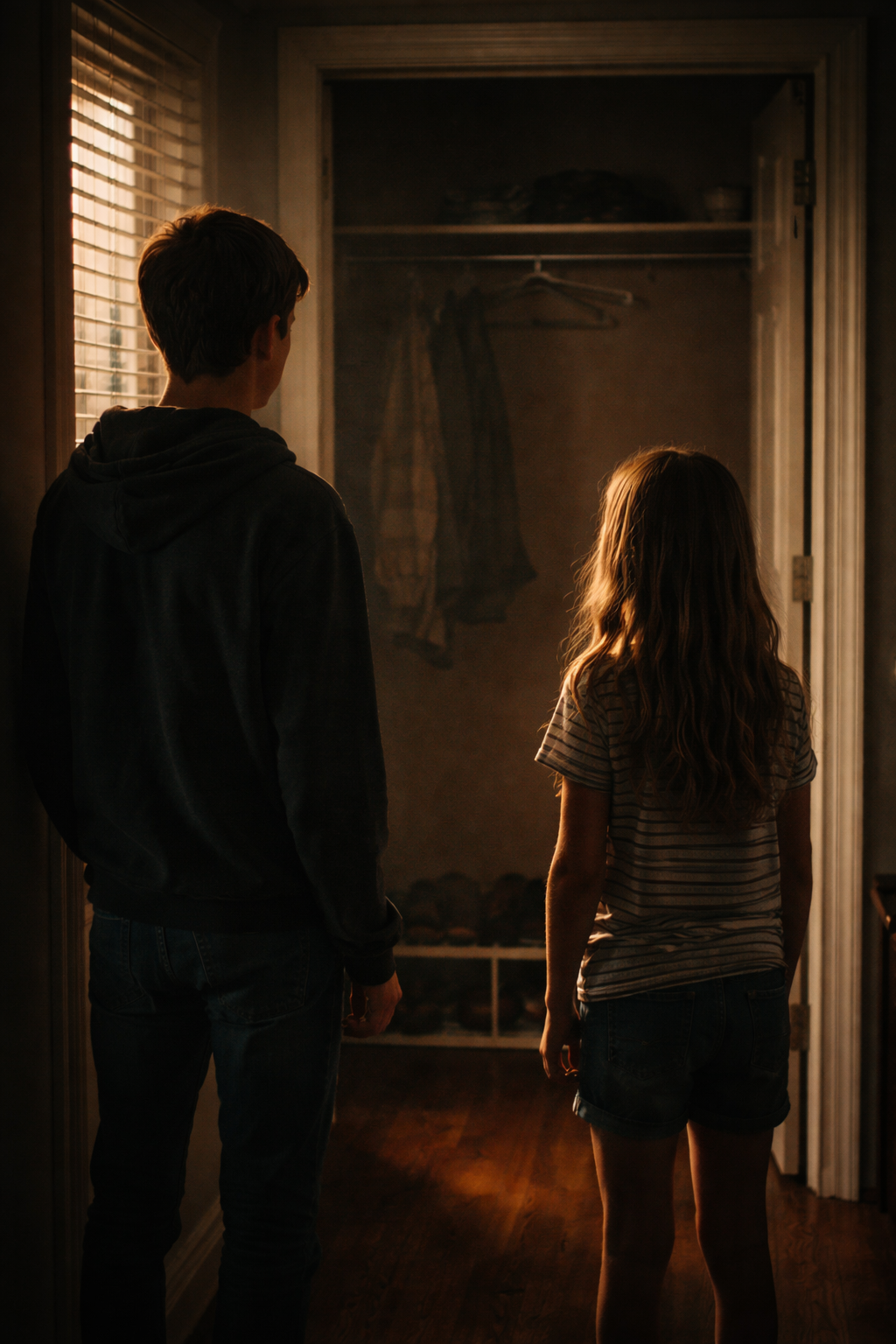
I was sixteen. Lila was twelve.
He packed a single suitcase while we were at school. By the time we came home, the only evidence he had ever been there was an empty drawer and a missing coat from the hallway.
My mother followed him six months later—not out the door, but into herself.
Grief hollowed her out slowly, like water carving stone. She was there, physically, but the rest of her felt miles away.
So I became the adult.
Not by choice. By necessity.
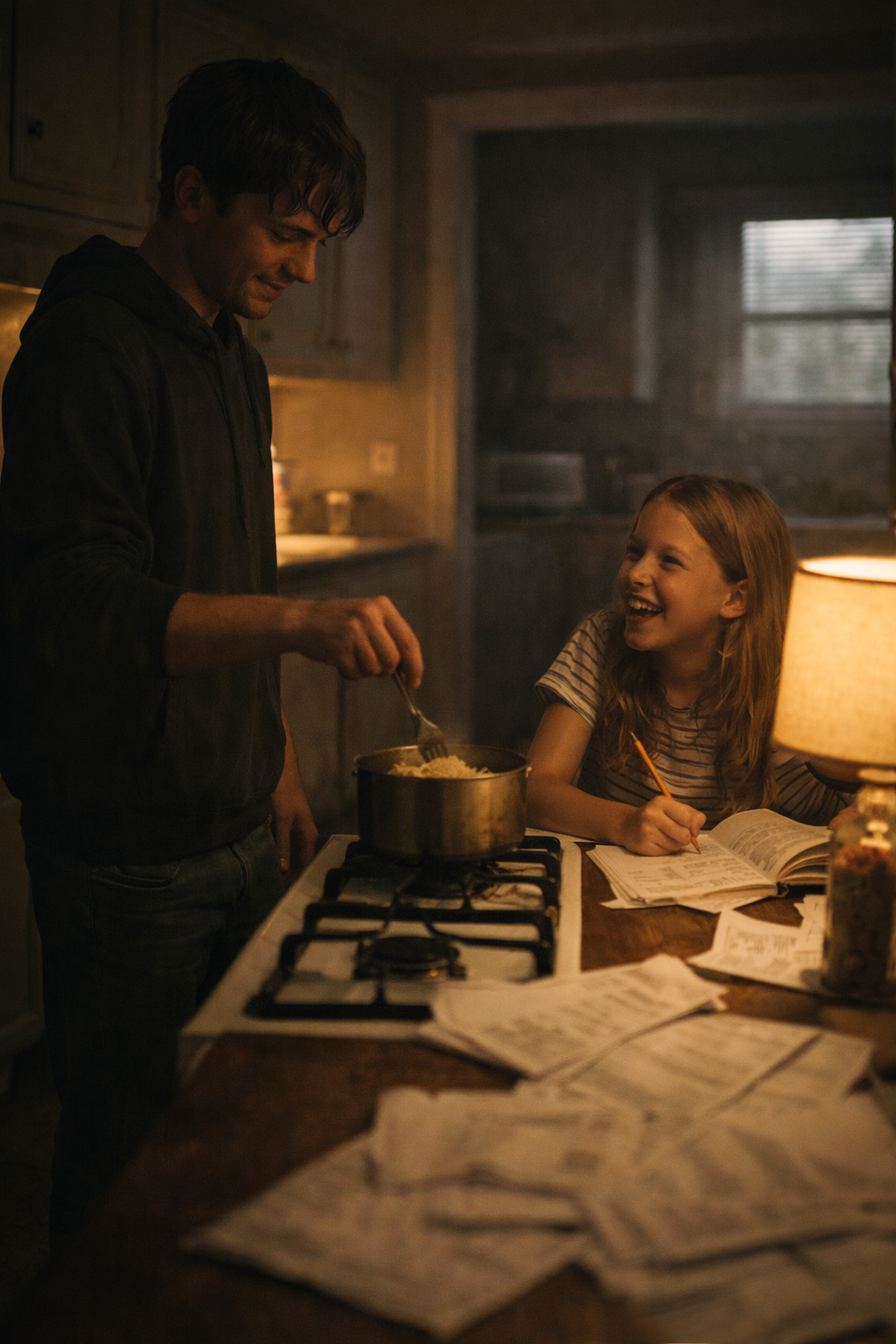
I learned how to stretch groceries. How to lie to bill collectors. How to make Lila laugh when the lights got shut off and we pretended it was camping.
I told myself I did not need anyone.
Especially not help.
Lila never believed that.
She was soft where I was sharp, patient where I was restless. She would leave notes on the fridge that said things like, “We are going to be okay,” in messy handwriting, as if writing it made it true.
And for a long time, I believed I was protecting her.
The truth is, she was protecting me.
I left the moment I could.
Scholarships, two jobs, and a kind of determination that burns more than it fuels.
I built a life that looked impressive from the outside: finance job, tailored suits, a downtown apartment with glass walls and a view that made everything below look small.
That was the point.
I wanted to feel above everything that had ever made me feel powerless.
Lila stayed behind.
She went to community college, worked part-time, took care of our mother when the bad days came back.
She never complained.
She would call me sometimes, her voice bright.
“You should come visit,” she would say.
“I will,” I always answered.
I rarely did.
Because every time I went back, I remembered who I used to be—and I did not like that version of myself anymore.

The money came from someone I barely knew.
My grandfather on my father’s side.
A man who had never once called on a birthday, never sent a card, never showed up for anything that mattered.
When the lawyer said his name, I almost laughed.
“He left you the majority of his estate,” the attorney explained, sliding the papers across the desk.
The number sat there like it belonged to someone else.
$12.6 million.
Enough to erase every debt. Every memory. Every version of me I had tried to outgrow.
There were conditions.
There are always conditions.
“Your sister is listed as co-administrator,” the attorney said.
“Any major disbursements require her signature for the first year.”
I barely reacted.
Lila had always trusted me.
That was not going to be a problem.

The problem was Marcus.
Marcus Cole walked into my life at exactly the moment I started to believe I had finally made it.
He was older, polished, the kind of man who understood how money moves—and how people move when money is involved.
“You have an opportunity here,” he told me over drinks.
“Real wealth isn’t what you inherit. It’s what you multiply.”
He talked about investments, expansion, influence.
He talked about not being held back by people who “don’t understand scale.”
And when he said people, he meant my family.
“You carried them long enough,” he said.
“It’s your turn now.”
I told myself he was right.
Because it felt good to hear it.

The first time I went back home after the inheritance, nothing had changed.
Same peeling paint on the porch. Same uneven step at the front door.
Same smell of detergent and something warm cooking in the kitchen.
Lila hugged me like no time had passed.
“You look tired,” she said, pulling back to study my face.
“I’m good,” I answered quickly.
Our mother smiled from the table, fragile but present.
And for a moment, I felt something dangerous.
Peace.
Marcus’s voice cut through it later that night.
“You can’t keep them in that environment,” he said over the phone.
“It’s a liability. Emotionally and financially.”
“They’re my family,” I replied.
“And you’re building a future,” he said smoothly.
“You can’t do both at that level.”
The documents needed signing.
Lila read everything carefully.
That was her way.
“Daniel,” she said slowly, “some of these transfers are aggressive.”
“It’s fine,” I said.
“I know what I’m doing.”
She looked at me—not arguing, just watching.
“Are you sure you’re doing this,” she asked quietly, “or is someone else?”
I laughed.
“Do you trust me or not?”
The question landed harder than I intended.
She hesitated.
And in that hesitation, something inside me snapped.
Because I had spent my entire life being the one people relied on.
I did not know how to be questioned.
Marcus made it sound simple.
“You need control,” he said.
“As long as she has a say, you’re limited.”
“So what do I do?” I asked.
He did not answer immediately.
Then he said it like it was nothing.
“Distance her.”
I told myself I was being practical.
That was the lie that made everything easier.
I told Lila we needed to sell the house.
Upgrade our mother’s living situation.
Consolidate assets.
It all sounded responsible.
Until she said no.
“This house is not just an asset,” she said gently.
“It’s our life.”
I felt something rise in me—anger, sharp and fast.
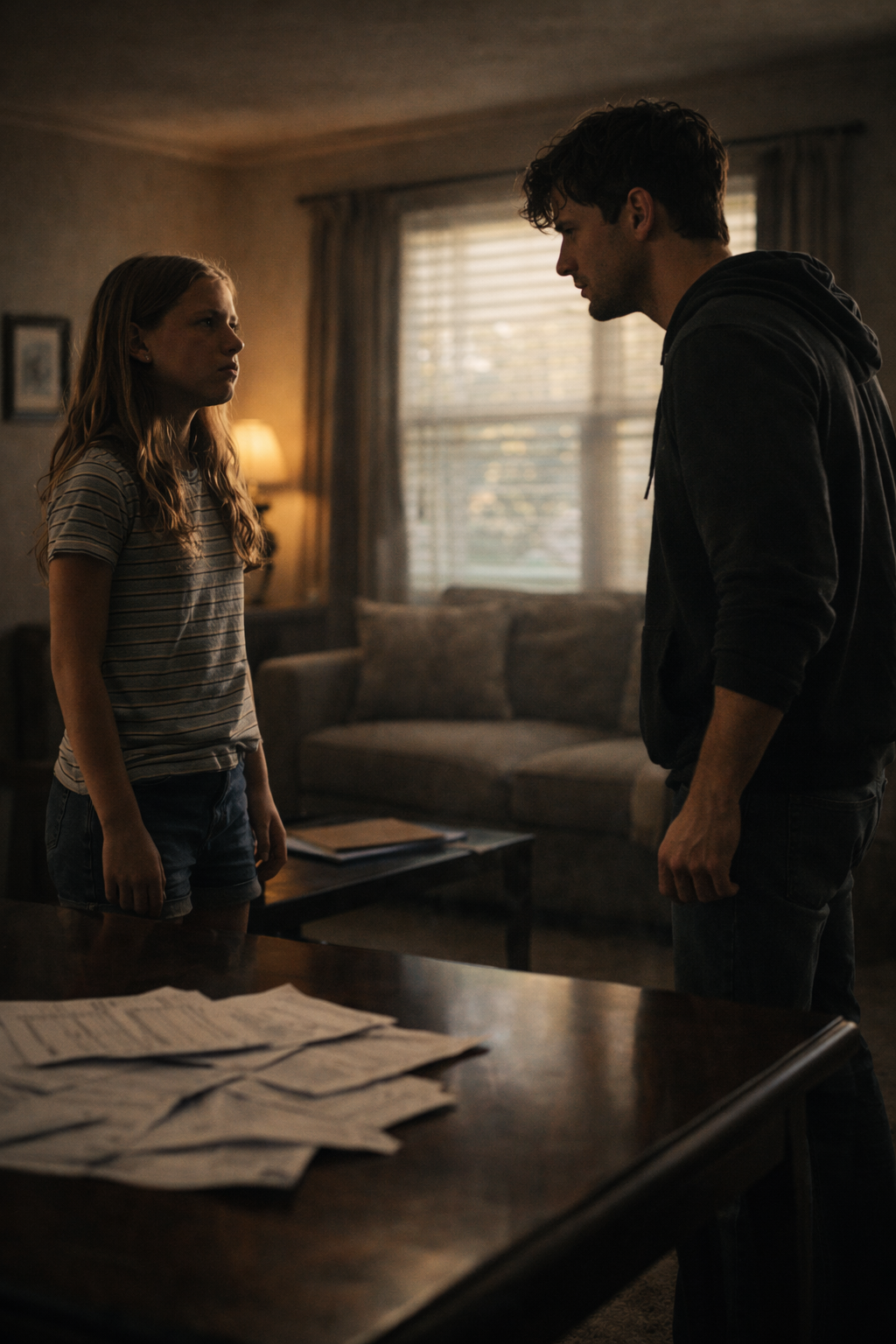
“You’re being emotional,” I snapped.
“And you’re being careless,” she replied.
Silence.
Then I said the thing that changed everything.
“If you can’t be objective, maybe you shouldn’t be involved.”
Her face went still.
“Daniel,” she said softly, “what are you saying?”
“I’m saying I need you to step back.”
She did.
But not the way I expected.
She didn’t argue.
Didn’t fight.
Didn’t beg.
She just placed the documents on the table, untouched.
“I won’t sign anything I don’t believe in,” she said.
“And I won’t watch you turn into someone you’re not.”
Then she added, quieter,
“I won’t be pushed out of your life to make you feel powerful.”
And she walked away.
Forty-eight hours.
That is how long it took for everything to unravel.
The transfers stalled.
Accounts were flagged.
Without Lila’s authorization, nothing moved.
Marcus stopped calling me “partner” and started calling me “a problem.”
“You handled this badly,” he said.
“You let emotion get involved.”
I stared at him.
“You told me to do this.”
He shrugged.
“I advised you. You chose.”
That was the moment I understood.
He was never on my side.
He was on the side of whatever benefited him.
And without the money flowing, I was no longer useful.

I went back to the house.
It was quiet.
Too quiet.
Lila wasn’t there.
Our mother sat at the table, looking smaller than I remembered.
“Where is she?” I asked.
My mother’s eyes met mine.
“She needed space,” she said.
The words echoed.
Space.
I had asked for that first.

I found Lila at a friend’s place across town.
When she opened the door, she did not look surprised.
Just tired.
“Daniel,” she said.
No anger.
No warmth.
Just distance.
And that hurt more than anything else.
“I messed up,” I said.
She nodded.
“I know.”
“I thought—” I stopped.
Because there was no way to explain it without sounding exactly like what I had become.
“I thought if I had control, everything would be better.”
She looked at me for a long moment.
“And is it?”
I shook my head.
“No.”
She let me sit.
That was the first mercy.
“I’m not signing anything,” she said.
“Not until you remember who you are.”
“I don’t know how,” I admitted.
She softened, just slightly.
“Then start with this,” she said.
“Stop listening to people who benefit from you forgetting.”
I cut Marcus out that night.
No confrontation.
No argument.
Just silence.
The same silence my father left behind years ago.
Except this time, I understood what it meant.
It meant choosing to walk away.
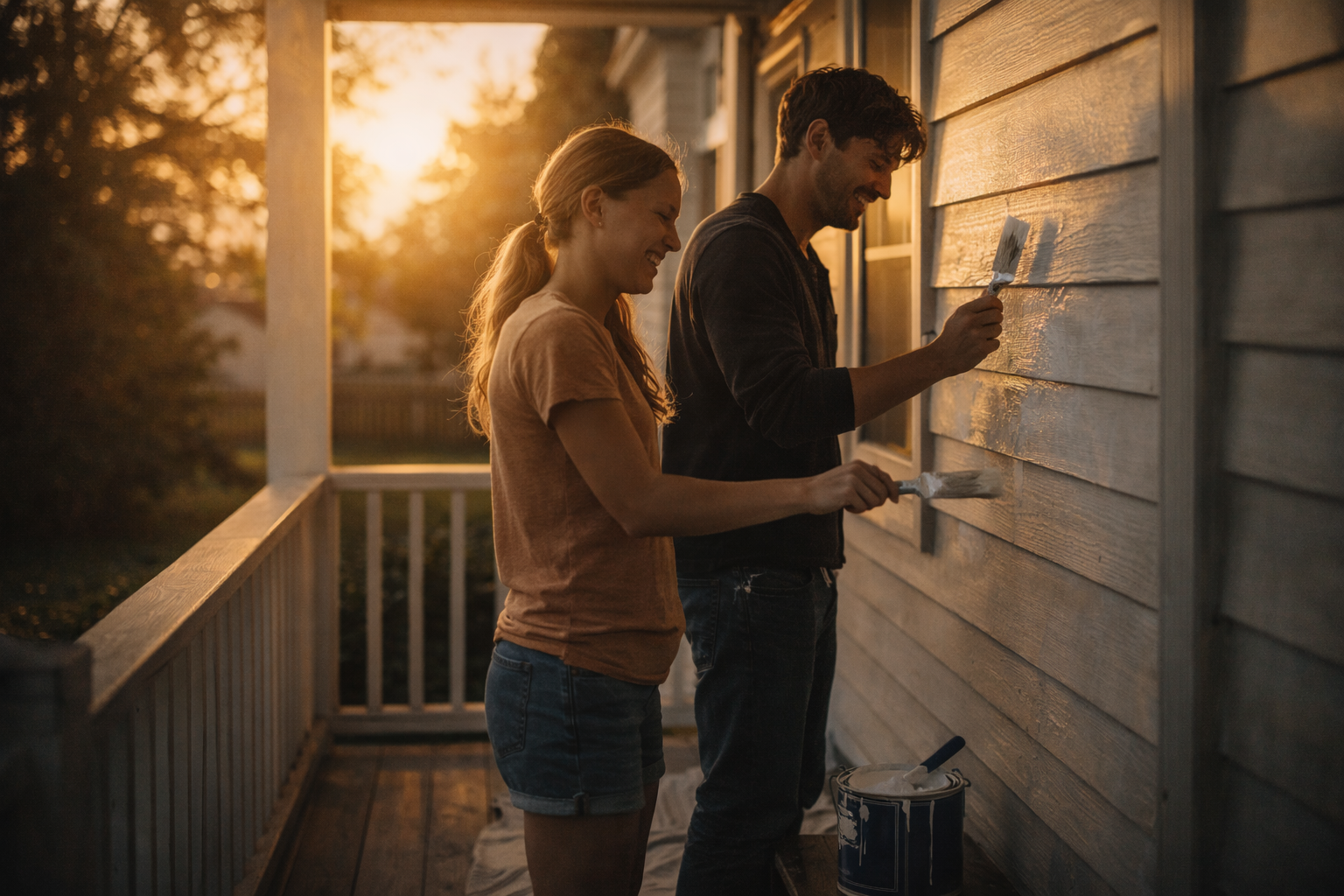
It took months to fix what I broke.
Not the finances.
Those were easy.
Trust is not.
I visited more.
I listened more.
I stopped trying to control everything.
And slowly, carefully, Lila began to let me back in.
Not as the person I pretended to be.
But as the one she had always believed I could be.
We never sold the house.
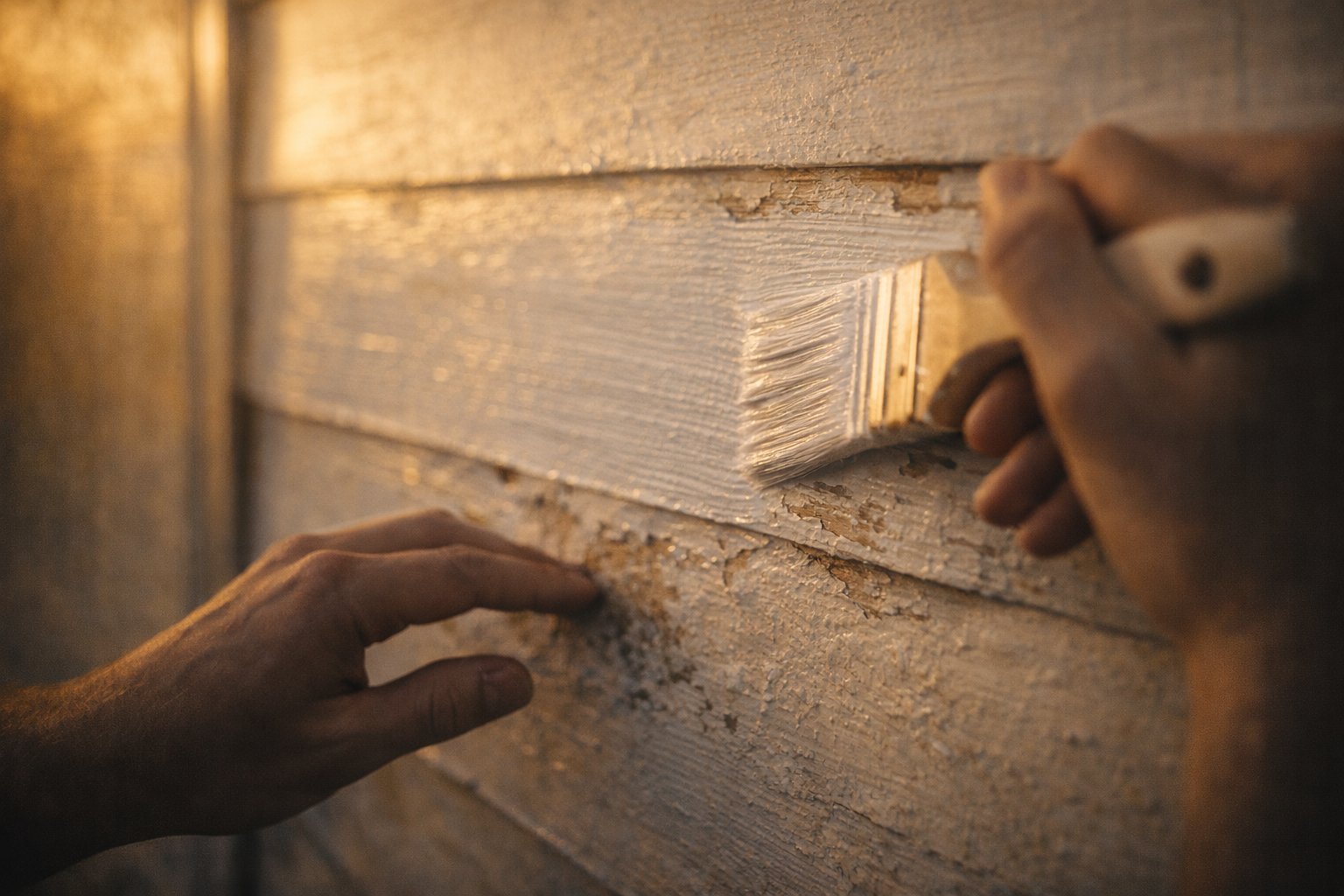
We repaired it instead.
New paint.
Stronger steps.
Same foundation.
Because some things are not meant to be replaced.
They are meant to be honored.
If there is something I want you to take from my story, it is this:
Money does not make you powerful.
It gives you the chance to see what you do with power.
Do you protect?
Or do you control?
Do you build?
Or do you erase?
Because at the end of everything—after the numbers, the deals, the illusion of more—what remains is simple.
The people who stayed.
And whether you were wise enough not to push them away.
If this story touched your heart… the next one will stay with you forever.
👉 Read the next story here:
READ MORE »



One Comment on ““48 Hours, $12.6 Million… and the Sister I Almost Lost Forever””